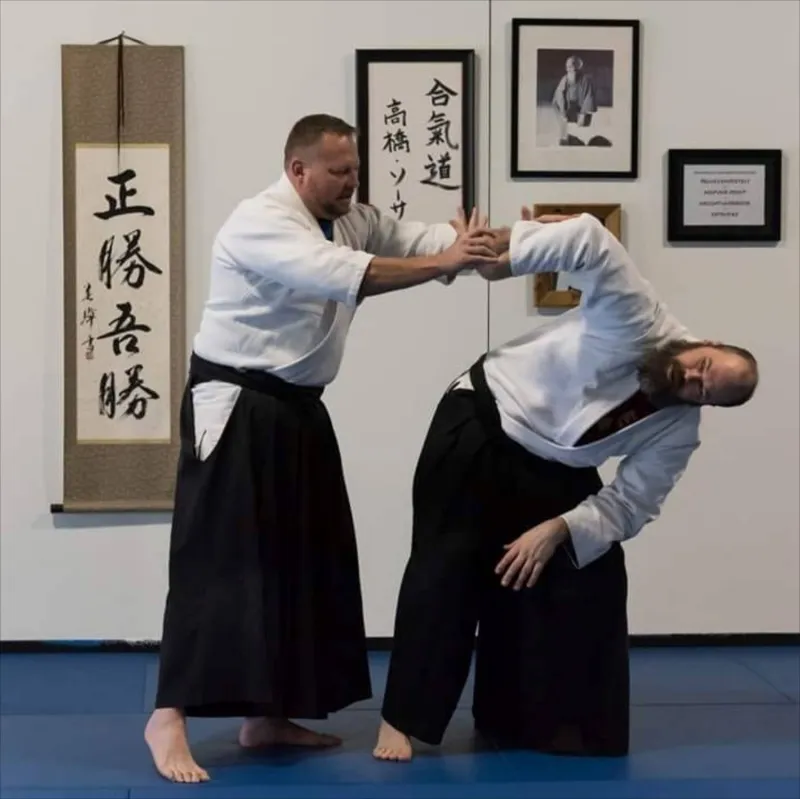
Choosing Wisely: A Practitioner's Guide to Evaluating Aikido Instructors and Dojo Communities
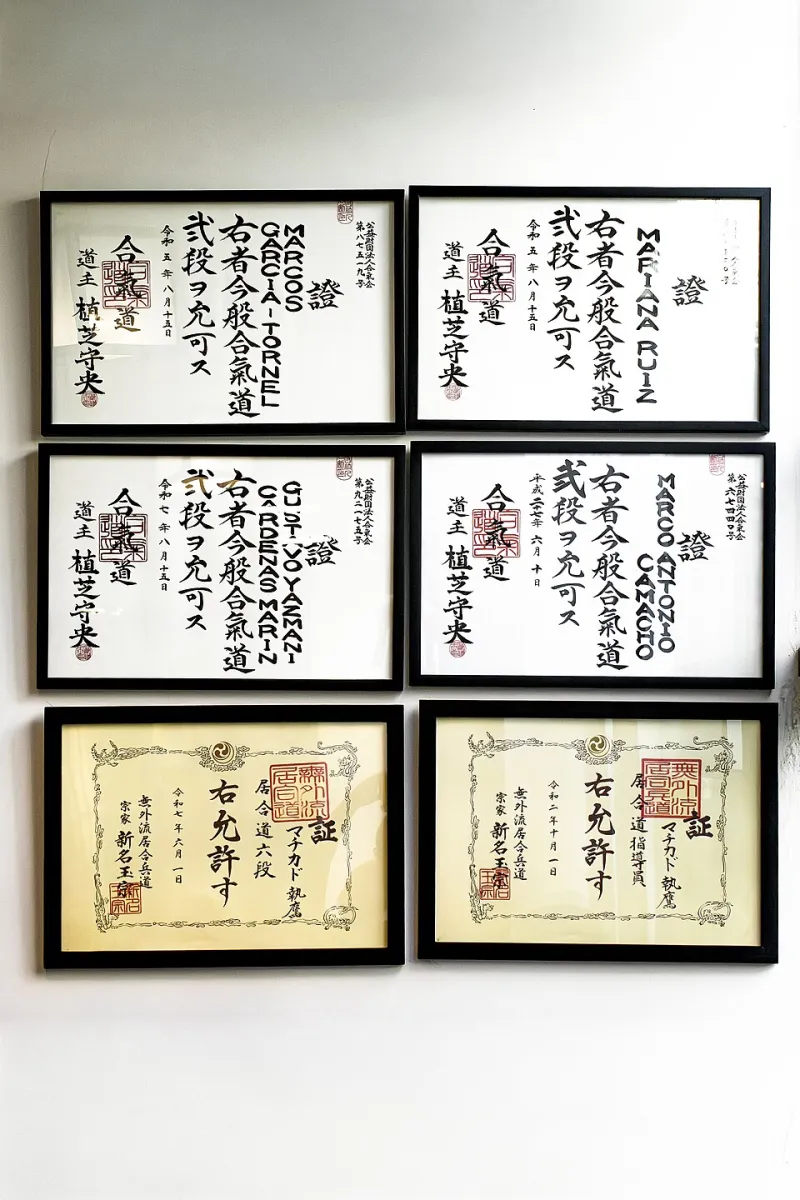
Photo: Angel Ramos, CC BY-SA 4.0, via Wikimedia Commons
The decision of where to train in aikido carries more weight than many prospective students initially appreciate. Unlike joining a fitness class or recreational sports league, committing to an aikido dojo means entering into an ongoing relationship with an instructor, a community of training partners, and a particular interpretation of the art itself. That relationship will shape not only your technical skills but your understanding of aikido's philosophy, your physical safety on the mat, and your long-term enthusiasm for practice.
Given the diversity of aikido schools, lineages, and teaching styles operating across the United States today, making an informed choice requires more than a quick online search. This guide walks prospective students through the key dimensions of that evaluation — from verifiable credentials to the subtler qualities of dojo culture that no website can fully convey.
Understanding the Landscape: Aikido's Organizational Diversity
Before walking into your first prospective dojo, it helps to understand that aikido in the United States is not governed by a single unified body. Multiple national and international organizations — including the United States Aikido Federation (USAF), Aikido Schools of Ueshiba (ASU), Birankai North America, and several others — each maintain their own lineage relationships, ranking standards, and technical emphases.
None of these organizations is inherently superior to another; each represents a legitimate transmission of the art from O-Sensei Morihei Ueshiba through different senior students and their successors. What matters most is that the dojo you are considering maintains a clear, traceable affiliation with one of these established bodies and that its instructor holds credentials recognized within that organization.
An instructor who cannot clearly articulate their lineage, organizational affiliation, or how their rank was conferred warrants careful scrutiny. Legitimate teachers are generally transparent about these matters and proud of their connections to the broader aikido community.
Evaluating Instructor Credentials: What to Ask and Verify
Rank and credentials in aikido are not self-reported on an honor system. Legitimate organizations issue certificates and maintain records. When evaluating a prospective instructor, it is entirely appropriate — and genuinely respectful of the art — to ask the following questions.
What is your current rank, and with which organization? A qualified instructor should hold at minimum a yudansha (black belt) ranking, with senior instructors typically holding third dan or above. The specific rank matters less than the legitimacy of its conferral.
Who was your primary teacher, and how long did you train under them? A credible instructor will have trained consistently under a recognized senior teacher, not merely accumulated workshop certificates from a variety of sources over a short period.
Is this dojo affiliated with a recognized aikido organization? Affiliation provides accountability. Instructors within established organizations are subject to the standards and oversight of senior practitioners, which provides an important check on both technical and ethical conduct.
How long has this dojo been operating? Longevity is not the only measure of quality, but a dojo that has maintained a stable community for many years has demonstrated something meaningful about the sustainability of its approach.
Reading the Room: What a Trial Class Reveals
No amount of research substitutes for actually attending a class. Most reputable dojos welcome prospective students to observe or participate in a trial session without obligation. Treat this visit as a structured evaluation, not merely an introduction.
Observe how the instructor teaches. Does the instructor demonstrate techniques clearly and explain the principles underlying them, or do they rely primarily on physical correction without verbal instruction? Can they articulate why a technique works, not merely how to execute it? Instructors who teach principles, not just patterns, produce students who can adapt and grow independently.
Watch how senior students treat beginners. In a healthy dojo, experienced practitioners take genuine responsibility for the safety and learning of newer students. They control their technique, offer patient guidance, and treat the training floor as a cooperative environment. If senior students seem dismissive, rough, or competitive with beginners, that culture reflects the instructor's values — whether explicitly or implicitly.
Assess the physical environment. The mat surface should be clean and well-maintained. The training space should be free of hazards and organized with care. A dojo that takes pride in its physical environment typically extends that conscientiousness to its training practices.
Notice whether you feel welcome. This may seem obvious, but the social atmosphere of a dojo is a genuine indicator of its health. Prospective students should feel genuinely invited — not merely tolerated — from their first visit.
Recognizing Red Flags
Certain patterns in instructor behavior or dojo culture warrant serious caution, regardless of how impressive a school's credentials may appear on paper.
An instructor who discourages questions. Aikido's philosophical depth invites inquiry. An instructor who responds to genuine questions with dismissal, irritation, or appeals to authority rather than substantive engagement is limiting their students' development.
A culture of physical intimidation. Training in aikido involves genuine physical challenge, but there is a clear distinction between appropriate rigor and a culture in which injury, intimidation, or ego-driven roughness are normalized. If you observe training partners being hurt without apparent concern from the instructor, leave.
Claims of exclusive or secret knowledge. Legitimate aikido instruction draws from a rich, documented tradition. Instructors who claim to possess unique techniques unavailable elsewhere, or who cultivate an atmosphere of dependency around their personal authority, are exhibiting warning signs common to problematic teaching relationships across many disciplines.
Pressure to commit quickly or pay large sums upfront. Reputable dojos generally offer flexible membership arrangements and are comfortable allowing prospective students adequate time to make an informed decision.
Aligning the Dojo with Your Personal Goals
Beyond credentials and culture, the practical question of fit matters considerably. Different dojos — and different instructors within the same organization — may emphasize different aspects of the art. Some programs prioritize technical precision and classical forms; others emphasize the philosophical and meditative dimensions of practice; still others focus on practical self-defense applications or the physical conditioning benefits of training.
Neither emphasis is categorically correct. What matters is whether the dojo's approach aligns with what you are genuinely seeking. A student whose primary motivation is philosophical exploration may find a highly technique-focused environment frustrating; a student seeking rigorous physical development may feel underserved in a program that moves slowly through basics.
Be honest with prospective instructors about your goals. A good teacher will tell you frankly whether their program is likely to serve those goals — and will respect you more for asking.
The Long View: Community as a Training Resource
Finally, consider that the students training alongside you are themselves a resource. The collective experience, diversity of body types and ages, and interpersonal chemistry of a dojo's membership will shape your training as meaningfully as the instructor's guidance. A community of practitioners who support one another's growth, who are genuinely curious about the art, and who maintain the training floor as a space of mutual respect is, in the end, the environment in which aikido flourishes most fully.
Taking the time to choose that environment thoughtfully is not an indulgence. It is the first and perhaps most important step on the path.